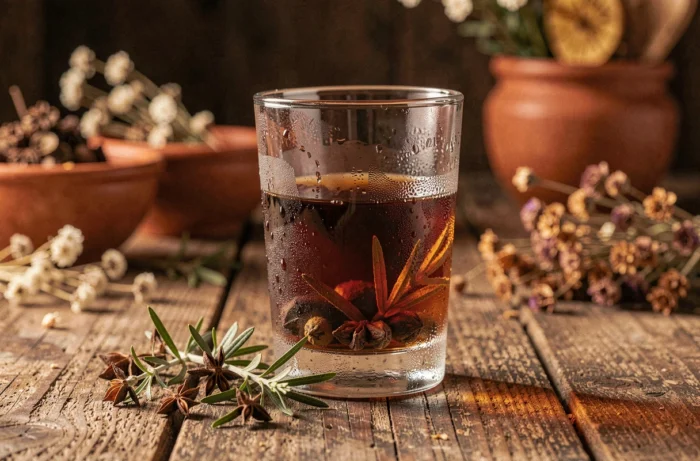
Aguardiente primarily evokes Colombian evenings, glasses shared among friends, and that sensation of anise warmth that descends into the throat. Its name says it all: agua ardiente, the water that burns. Behind this festive reputation, some attribute health benefits to it. The reality is more nuanced and deserves careful attention.
Aguardiente and health: what sugarcane really brings
Aguardiente is a distilled spirit made from sugarcane juice, flavored with anise. Its alcohol content hovers around 29°, placing it below most spirits like whisky or vodka. This lower content partly explains why it is sometimes attributed a more “gentle” profile for the body.
Have you ever noticed that plant-based or sugarcane spirits are often associated with traditional health uses? This is the case in several regions of Latin America, where aguardiente has long served as a base for folk remedies. Leaves, fruits, or barks were macerated to obtain preparations believed to relieve various ailments.
This medicinal heritage should not overshadow a simple fact: aguardiente remains an alcoholic beverage, not a medicine. The properties attributed to infused plants do not automatically transfer to the alcohol that contains them. An article detailing the health benefits on Blog VIP explores this distinction between popular tradition and verifiable data.
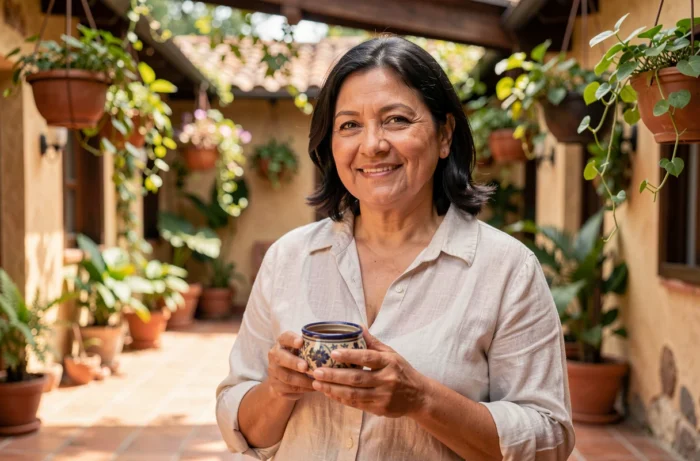
Antioxidants and star anise: compounds to know
Anise, the central ingredient of aguardiente, contains phenolic compounds known for their antioxidant activity. These molecules help neutralize free radicals, which are involved in cellular aging. This same type of compounds can be found in pastis, Greek ouzo, or Turkish raki.
Specifically, anethole (the compound that gives anise its characteristic flavor) has been studied for its anti-inflammatory and digestive properties. In herbal medicine, star anise is used to:
- Facilitate digestion after a fatty meal, thanks to its carminative action that reduces bloating
- Calm mild digestive spasms, a common use in South American traditional medicine
- Provide natural antioxidants that help protect cells against oxidative stress
These properties come from anise, not from the alcohol. Drinking a star anise herbal tea provides the same benefits without the downsides associated with ethanol. This is a point that promotional articles about aguardiente often overlook.
Cardiovascular risks and anemia: documented contraindications
The discourse on the “virtues” of aguardiente clashes with public health data that cannot be ignored. According to recommendations relayed by the Mayo Clinic and the WHO, even so-called moderate consumption is not considered safe for certain patient profiles.
Aguardiente, like any spirit, can worsen high blood pressure. Alcohol also interferes with the absorption of iron and folate, two nutrients necessary for red blood cell production. For individuals suffering from anemia, even a single dose can trigger adverse effects.
On a continental scale, a meta-analysis published in The Lancet Regional Health in 2023 indicates that alcohol-attributable cancer deaths have doubled between 1990 and 2023. The cancers involved particularly affect the digestive system. This observation applies to all spirits, including aguardiente.
At-risk populations: who should abstain
Some individuals should completely avoid aguardiente:
- Patients with hypertension, for whom alcohol causes an increase in blood pressure
- Anemic individuals, due to interference with iron absorption
- Pregnant women, in accordance with international health recommendations
- Anyone on medication that is incompatible with alcohol
For individuals at cardiovascular risk, aguardiente is not recommended, and it is not advised as a “tonic” contrary to what some traditions suggest.
Artisanal aguardiente and ingredient quality: an underestimated factor
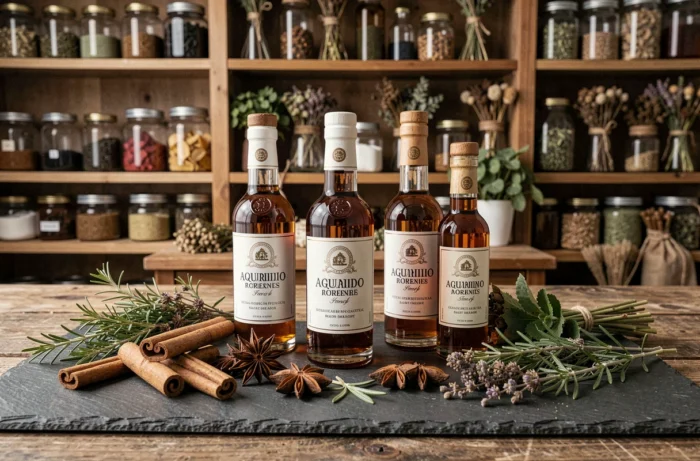
The composition of aguardiente varies significantly by region and producer. In Colombia, each department produces its own brand, with distinct recipes. Some artisanal versions use fresh sugarcane juice and natural star anise, while industrial productions rely on synthetic flavors.
This difference in quality matters if one seeks to benefit from the active compounds in anise. An artisanal aguardiente made from natural anise contains more anethole than a chemically flavored version. The parallel exists with other traditional beverages: a red wine rich in polyphenols does not offer the same compounds as a standardized industrial wine.
For a connoisseur who cares about both taste and the compounds present in their glass, choosing an authentic quality aguardiente makes a real difference. Traditional Colombian versions, distilled from sugarcane from the Andean region, retain a more complex aromatic profile and a higher concentration of anise oils.
Responsible consumption: the only framework where discussing well-being makes sense
Linking aguardiente and well-being only makes sense in a very specific context: occasional consumption, in small quantities, by a healthy person. The enjoyment of taste, social sharing, and the discovery of an authentic Latin American tradition contribute to well-being, but it is not the alcohol itself that is responsible for it.
The well-being associated with aguardiente is cultural and sensory, not pharmacological. Appreciating the anise richness of a good aguardiente during a trip to Colombia, understanding its connection to the sugarcane terroir, sharing the experience of a tasting ritual: this is what justifies the interest in this spirit.
Attributing therapeutic virtues to a spirit is a shortcut that current health data do not validate. The interesting compounds in anise exist, but other vectors provide them without the risks associated with alcohol. The best way to enjoy aguardiente remains the way Colombians themselves practice it: in moderation, among close ones, savoring the taste rather than seeking a remedy.